Evidence-Based W8MD Medication Comparison
Phentermine/Topiramate vs Wegovy and Zepbound
Modern GLP-1 and GIP/GLP-1 medications can produce greater average weight loss, but phentermine/topiramate remains one of the most effective and cost-predictable oral options for appropriately selected patients.

Quick comparison
Phentermine + topiramate
Oral treatment with both medicines included in W8MD's biweekly program cost of $60 with qualifying insured visits. W8MD states that its program price does not rise with the prescribed dose, providing more predictable budgeting.
Wegovy
Weekly semaglutide produced about 14.9% mean weight reduction at 68 weeks in STEP 1, versus 2.4% with placebo, alongside lifestyle intervention.
Zepbound
Weekly tirzepatide produced approximately 15.0%, 19.5% and 20.9% mean reductions at 72 weeks across the studied 5, 10 and 15 mg doses, versus 3.1% with placebo.
Do not compare these percentages as though they came from one trial. The phentermine/topiramate, semaglutide and tirzepatide studies enrolled different participants, used different protocols, doses, estimands and durations. No pivotal randomized trial directly compared all three. Individual results may be much lower or higher.
Why phentermine/topiramate remains relevant
Before Wegovy and Zepbound, controlled-release phentermine/topiramate—marketed as Qsymia—was among the most effective FDA-approved non-surgical obesity medicines. The combination targets appetite through complementary mechanisms: phentermine has sympathomimetic appetite-suppressing effects, while topiramate can reduce appetite and cravings through several central nervous system pathways that are not fully understood.
For suitable patients, it still offers meaningful advantages: oral administration, decades of clinical familiarity with the component medicines, substantial average weight loss, and a much lower and more predictable W8MD program cost than many injectable pathways.
How much weight loss did clinical trials report?
| Treatment and trial | Population and duration | Average result | How to interpret it |
|---|---|---|---|
| Phentermine/topiramate ER EQUIP |
Adults with BMI ≥35; 56 weeks | Approximately 10.9% at the studied top dose and 5.1% at the lowest dose, versus 1.6% with placebo in the reported ITT-LOCF analysis. | Demonstrated double-digit average loss at the top dose in severe obesity, but formulation and dose matter. |
| Phentermine/topiramate CR CONQUER |
Adults with overweight/obesity and weight-related conditions; 56 weeks | Approximately 7.8% at 7.5/46 mg and 9.8% at 15/92 mg, versus 1.2% with placebo in the published analysis. | Strong oral-medication efficacy with improvements in several cardiometabolic measures; trial treatment included lifestyle intervention. |
| Wegovy 2.4 mg STEP 1 |
Adults with overweight/obesity without diabetes; 68 weeks | 14.9% mean reduction, versus 2.4% with placebo. | Greater average loss than older anti-obesity medication trials, but gastrointestinal effects and cost/access can limit treatment. |
| Zepbound SURMOUNT-1 |
Adults with overweight/obesity without diabetes; 72 weeks | 15.0% at 5 mg, 19.5% at 10 mg and 20.9% at 15 mg, versus 3.1% with placebo. | Highest average losses among these separate pivotal trials. Higher dose does not guarantee a better personal outcome or tolerability. |
Longer follow-up matters. In SEQUEL, participants continuing phentermine/topiramate treatment maintained average reductions near 9–10% at 108 weeks at the studied doses. Semaglutide and tirzepatide withdrawal studies also show that stopping effective chronic therapy commonly leads to regain, reinforcing the need for a maintenance strategy.
EQUIP trial · CONQUER trial · STEP 1 trial · SURMOUNT-1 trial
W8MD cost comparison
Both medications included when insurance is used for qualifying visits. W8MD states the program price does not change with prescribed dose.
Approximate program amount: about $120 over two biweekly periods, before insurance copays, deductibles or other applicable charges.
With qualifying insured visits.
From $59.99/week+Self-pay starting pathway. Price generally rises with dose.
With qualifying insured visits.
From $69.99/week+Self-pay starting pathway. Price generally rises with dose.
Pricing notice: These are W8MD program statements, not insurance guarantees or manufacturer retail prices. Confirm the exact medication, formulation, dose, supply, visit frequency, pharmacy, insurance participation, copay, deductible and complete cost before starting. “Semaglutide-based” or “tirzepatide-based” pricing does not necessarily mean FDA-approved Wegovy or Zepbound. Compounded medicines are not FDA approved or generic equivalents of approved brands. Prices and offers may change.
Detailed practical comparison
| Question | Phentermine/topiramate | Wegovy | Zepbound |
|---|---|---|---|
| Administration | Oral, generally daily; exact formulation and regimen matter | Semaglutide; usually weekly injection, with product-specific oral Wegovy also available | Tirzepatide weekly injection |
| Mechanism | Sympathomimetic appetite suppression plus topiramate's appetite/craving effects | GLP-1 receptor agonist | Dual GIP and GLP-1 receptor agonist |
| Average pivotal-trial efficacy | About 8–11% at commonly cited studied treatment doses/analyses | About 15% with 2.4 mg in STEP 1 | About 15–21%, depending on dose, in SURMOUNT-1 |
| Cost predictability at W8MD | High under the described $60 biweekly insured-visit program; medication component price does not change by dose | Starting price lower than many branded cash prices, but W8MD pathway price rises with dose | Starting price rises with dose under W8MD's described pathway |
| Common tolerability issues | Dry mouth, constipation, tingling, altered taste, insomnia, dizziness, attention or mood effects | Nausea, vomiting, diarrhea, constipation, abdominal symptoms | Nausea, vomiting, diarrhea, constipation, abdominal symptoms |
| Major selection issues | Pregnancy prevention, heart rate/BP, cardiovascular history, glaucoma, thyroid disease, mood/cognition, kidney stones, metabolic acidosis and drug interactions | Pregnancy planning, MTC/MEN2 history, pancreatic/gallbladder/GI/kidney concerns, retinopathy considerations and interactions | Pregnancy planning, MTC/MEN2 history, pancreatic/gallbladder/GI/kidney concerns; oral contraceptive counseling during initiation/escalation and interactions |
| Unique potential advantage | Low predictable cost and oral administration | Weight-management and specified cardiovascular-risk indications; multiple formulations under current labeling | Greater mean weight loss in a direct trial versus semaglutide at studied maximum tolerated doses; approved OSA indication in adults with obesity |
Safety differences can determine the best choice
Phentermine/topiramate
The combination can increase heart rate and cause insomnia, dry mouth, constipation, tingling, altered taste, mood or cognitive effects and metabolic abnormalities. Topiramate exposure during pregnancy can cause fetal harm, including increased risk of oral clefts. Pregnancy testing and effective contraception are essential when applicable. Abruptly stopping higher-dose topiramate-containing therapy may increase seizure risk, so tapering instructions matter.
Wegovy
The current label contains a boxed warning concerning thyroid C-cell tumors observed in rodents and contraindicates use with a personal or family history of medullary thyroid carcinoma or MEN2. Gastrointestinal effects are common; pancreatitis, gallbladder disease, volume-depletion kidney injury and other product-specific risks require review.
Zepbound
Zepbound carries a similar boxed warning and MTC/MEN2 contraindication. Gastrointestinal adverse effects are common, and pancreatic, gallbladder, kidney and other risks require review. Tirzepatide can affect absorption of oral medications; current labeling includes specific oral-contraceptive precautions during initiation and dose escalation.
Current Wegovy label · Current Zepbound label · Current Qsymia REMS update
Who might reasonably prefer each option?
Phentermine/topiramate may fit when…
- Cost predictability is a primary concern
- An oral medication is strongly preferred
- There is no pregnancy or major contraindication concern
- Blood pressure, heart rate, mood and cognition can be monitored
- The patient has previously responded to appetite-suppressant therapy
Wegovy may fit when…
- A GLP-1 pathway matches the diagnosis and goals
- Its labeled cardiovascular or other relevant indication matters
- The patient can tolerate GI effects and escalation
- Coverage or long-term affordability is workable
- There is no product-specific contraindication
Zepbound may fit when…
- Greater average weight loss is a key goal
- Obesity with moderate-to-severe OSA is present
- The dual GIP/GLP-1 approach is appropriate
- Coverage or long-term affordability is workable
- There is no product-specific contraindication
The right decision can also be “none of the above.” W8MD may discuss nutrition-only care, meal replacements, orlistat, Contrave, other traditional appetite suppressants or another FDA-approved option depending on medical history and goals.
How W8MD physicians help choose a medication
- Confirm the treatment goal and diagnosis. Review BMI, waist-related risk, prior attempts and obesity-related conditions.
- Screen for contraindications. Review cardiovascular, psychiatric, neurological, endocrine, gastrointestinal, pancreatic, gallbladder, kidney and pregnancy-related factors.
- Review other medications. Identify drug interactions and medicines that may contribute to weight gain.
- Compare real cost. Include visits, medication, dose escalation, supplies, pharmacy, deductible, copay and maintenance—not merely an introductory price.
- Plan nutrition and lean-mass protection. Address protein, hydration, resistance activity and micronutrient needs.
- Monitor and adjust. Evaluate effectiveness, blood pressure, heart rate, side effects, adherence and whether continuing treatment remains appropriate.
- Prepare for maintenance. Create a plan for plateaus, coverage changes and preventing weight regain.
Insurance coverage and prior authorization
W8MD accepts many insurance plans for qualifying medical visits. When a patient meets clinical and plan requirements and the medication is covered, W8MD may submit prior-authorization documentation for Wegovy, Zepbound or another covered anti-obesity medicine.
Visit coverage and medication coverage are separate. An insurer may cover the physician visit but exclude weight-loss drugs, prefer a different product, require step therapy or impose renewal criteria. W8MD can submit accurate clinical information, but only the insurer or pharmacy-benefit manager can approve coverage.
W8MD patient experiences
“Fantastic program! Truly a life changer. I lost 87 pounds in 10 months.”
— D.M., W8MD patient story
Individual experience; results vary.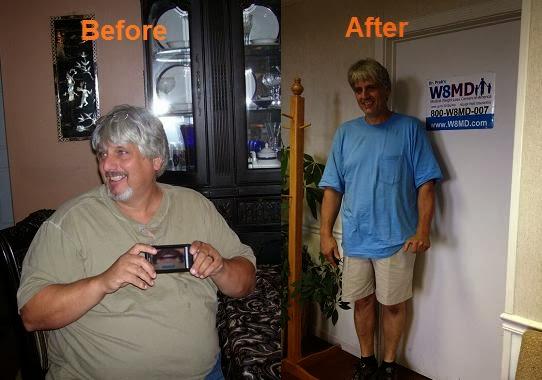
More than the medication
W8MD patient feedback frequently emphasizes nutrition education, clinician experience and ongoing support. Medication can reduce appetite, but maintaining weight loss also requires a plan that fits the patient's health, daily life and budget.
Testimonials are individual reports and do not guarantee the same result. Outcomes vary with diagnosis, medication, dose, nutrition, activity, sleep, adherence, treatment duration and follow-up.
W8MD New York City and Philadelphia offices
Brooklyn / New York City
W8MD Weight Loss, Sleep & MedSpa
2632 East 21st Street, Suite L3
Brooklyn, NY 11235
Serving greater New York City, Long Island and nearby communities through the Brooklyn office.
NYC medical weight-loss informationNortheast Philadelphia
W8MD Weight Loss, Sleep & MedSpa
1718 Welsh Road, 2nd Floor, Suite C
Philadelphia, PA 19115
Serving Greater Philadelphia, Bucks County, South Jersey, Delaware and nearby communities.
Philadelphia medical weight-loss informationRelated W8MD resources
Frequently asked questions
Is phentermine/topiramate as effective as Wegovy or Zepbound?
On average, pivotal trials reported greater weight reduction with Wegovy and especially Zepbound. However, the studies were not direct three-way comparisons, and some individuals respond very well to phentermine/topiramate. Safety, affordability and adherence may matter more than an average percentage.
What does W8MD charge for phentermine and topiramate?
W8MD states that both medicines are included in a $60 biweekly program when insurance is used for qualifying visits. The described medication program price does not increase with dose. Copays, deductibles, eligibility and other applicable charges must be confirmed.
Does the W8MD semaglutide price stay the same at every dose?
No. Semaglutide-based options start from $29.99 per week with qualifying insured visits or $59.99 per week self-pay, and the price generally rises with dose.
Does the W8MD tirzepatide price stay the same at every dose?
No. Tirzepatide-based options start from $45 per week with qualifying insured visits or $69.99 per week self-pay, and the price generally rises with dose.
Can phentermine/topiramate be used during pregnancy?
No. Topiramate exposure during pregnancy can cause fetal harm, including an increased risk of oral clefts. Product-specific pregnancy testing, contraception and REMS requirements must be followed when applicable.
Can W8MD obtain prior authorization for Wegovy or Zepbound?
W8MD can submit clinical documentation when the patient qualifies and the plan provides coverage. Approval is determined by the insurer or pharmacy-benefit manager and cannot be guaranteed.
Which option is best if I have sleep apnea?
Treatment is individualized. Zepbound has an FDA-approved indication for moderate-to-severe obstructive sleep apnea in adults with obesity. W8MD also offers sleep evaluation and home sleep testing when appropriate.
Can I switch from one treatment to another?
Sometimes, but switching requires prescriber guidance. Do not overlap, stop abruptly or change doses on your own. Topiramate-containing treatment may require tapering, and GLP-1 transitions require product-specific planning.
Choose the medication you can use safely and sustain
W8MD physicians can compare expected benefit, contraindications, side effects, oral versus injectable treatment, insurance, complete cost and long-term maintenance.
Comments
Post a Comment